
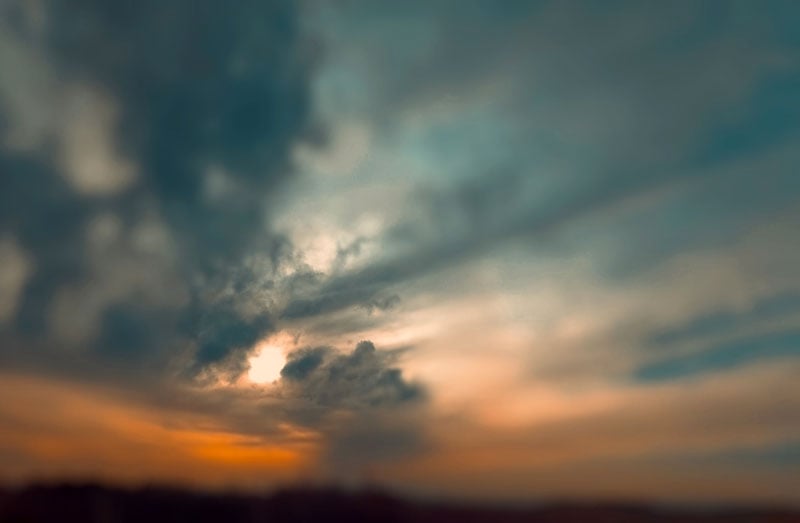
Cloudscape photography is a unique and often overlooked niche that captures the dynamic beauty of the sky. While many photographers focus on landscapes, portraits, or architecture, cloudscape photography offers an opportunity to explore the ever-changing canvas above us. The beauty of this type of photography lies in its simplicity—focusing on the vast sky, cloud formations, and the interplay of light and shadow.
The clouds, with their various shapes, sizes, and textures, can evoke different moods and tell stories of their own. From serene and peaceful skies to dramatic and intense cloud formations, cloudscapes provide a diverse range of visual possibilities. Photographers can capture the soft, wispy clouds at sunrise or the powerful, moody storm clouds that signal an approaching weather system.
One of the most intriguing aspects of cloudscape photography is the unpredictability of the subject matter. The sky is never the same from day to day, and the weather conditions constantly change. This makes cloudscape photography both challenging and rewarding. The lighting also plays a significant role in how the clouds appear in the photograph. The golden light during sunrise and sunset can give clouds a warm, ethereal glow, while overcast skies can create a more dramatic and somber effect.
In terms of equipment, cloudscape photography doesn’t require overly complex gear. A DSLR or mirrorless camera with a wide-angle lens is ideal for capturing expansive skies. A tripod is useful for longer exposures, especially during low light conditions like dusk or dawn. Filters such as polarizers or ND filters can help manage reflections and balance the exposure.
Composition is key when shooting cloudscapes. While the sky itself is the main subject, it can be enhanced by including other elements such as landscapes, water, or structures. Using leading lines, such as roads or rivers, can help draw the viewer's eye into the scene. A good composition will not only highlight the clouds but also create a sense of depth and balance in the image.
Cloudscape photography is also an excellent opportunity to experiment with different exposure times. Long exposures can smooth out the movement of clouds, creating a surreal, dreamlike effect. Shorter exposures capture the clouds in their natural, fast-moving state, conveying a sense of motion and energy. Both approaches can lead to stunning images, depending on the mood you want to evoke.
Post-processing is often part of the process in cloudscape photography. Adjustments to contrast, saturation, and sharpness can bring out the details in the clouds and enhance the overall mood of the photograph. Some photographers prefer to leave their cloudscape images natural, while others may opt for more artistic edits to highlight specific elements, such as the light or the texture of the clouds.
In conclusion, cloudscape photography offers a captivating way to explore the natural world from a different perspective. The sky is constantly evolving, providing photographers with endless opportunities for creativity. Whether you're capturing the soft light of dawn or the dramatic shadows of a storm, cloudscape photography invites you to observe the world above and share its beauty with others.
Comments ()